When you’re problem-solving in a technical field, the first step is making sure you’re speaking the same language. Lighting and controls manufacturers, specifiers, installers, and implementers often use similar but imprecise language to describe types of integral controls. This year, the DLC has introduced new Controls Categories to our qualified products list to bridge the gap between those who make lighting and lighting controls products and those who install or incentivize those products.
Part of our mission at the DLC is to increase the adoption of and energy savings from lighting controls. Our intention is to enable more incentives for luminaires, lamps, and retrofit kits with integral controls, as well as products with controls-ready features. More incentives can lead to more demand for these products and more energy savings that utilities can actually verify and prove to regulators.
Controls Categories create a standardized link between manufacturer product data, the Qualified Products List, energy efficiency programs, and technical reference manuals, streamlining the path from product to rebate.
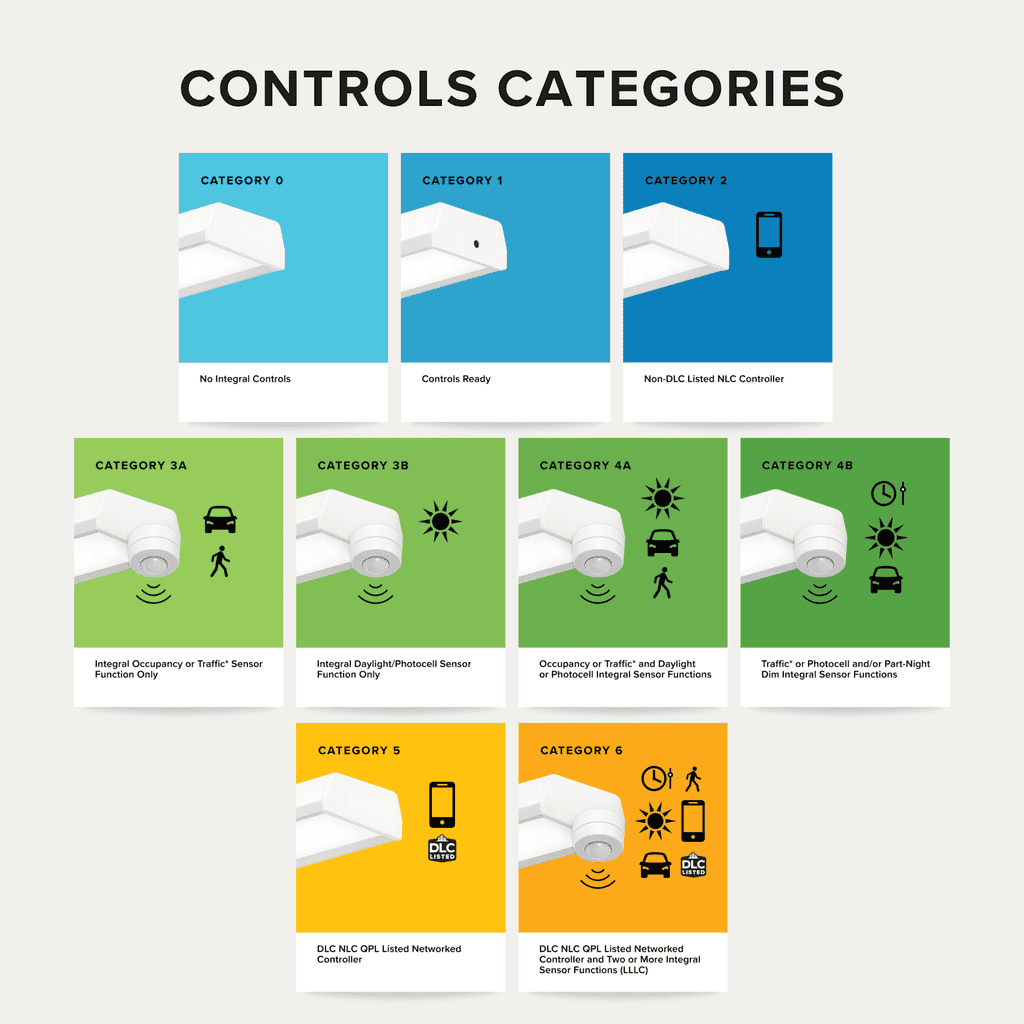
Here are the categories we created, below:
Complete List of Controls Categories in SSL V6.0
How Controls Categories Relate to Energy Efficiency Programs
Controls Categories create a common language between products with integral controls and energy efficiency program measures, rebates, and energy savings claims tied to lighting control strategies. They are designed to reflect energy efficiency measures commonly defined in technical reference manuals (TRMs), which determine how energy efficiency programs claim savings.
DLC Members have an exclusive resource for the best ways to use Controls Categories in their context.
What This Means on the QPL
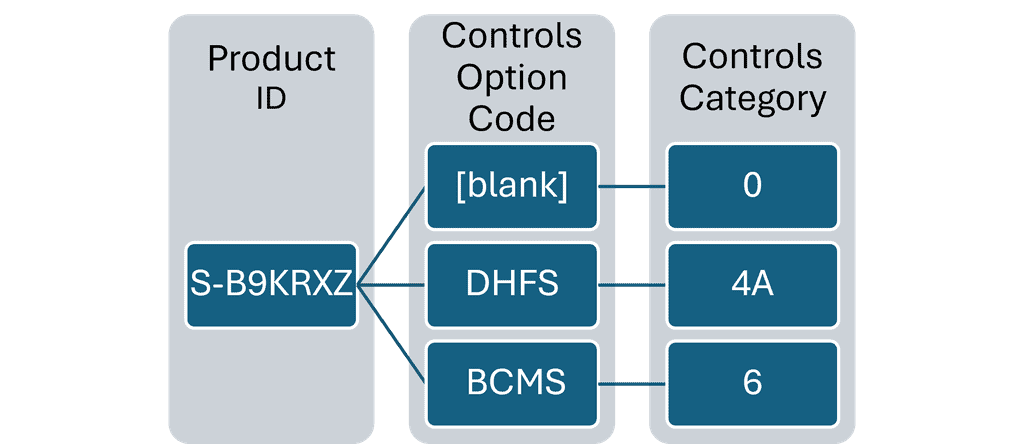
Energy efficiency programs frequently verify a product is on the DLC QPL to confirm its rebate eligibility. As part of SSL V6.0 and LUNA V2.0, we have enhance the QPL search feature. Now, when you choose Model Number Search the QPL will identify the Controls Options Code in your model number and return the corresponding Controls Category. Alternatively, a user can filter the QPL for product variations with one or more desired Controls Categories.
Controls Categories are assigned to Controls Option Codes, which manufacturers submit when applying to be on the QPL. One or more Controls Options Codes are then associated with Product IDs in SSL listings depending on the capabilities of each product.
Where to Find Controls Categories on the SSL QPL
Controls information in SSL V6.0 will be presented on the QPL in several ways:
When first opening the QPL in a browser window, users see a list of the most recently listed products. In this view, each listing will show all Controls Categories associated with each listing.
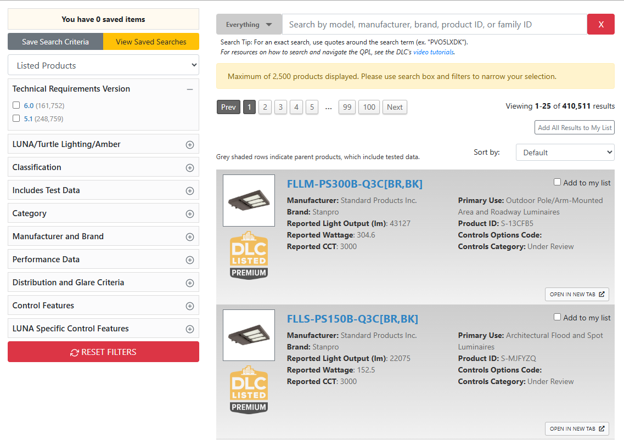
Figure 1: Screenshot of of SSL QPL showing the default view
When performing a model number search on the QPL, the search results will return the best matches in descending order with the appropriate Controls Category indicated, as well as a match confidence metric.
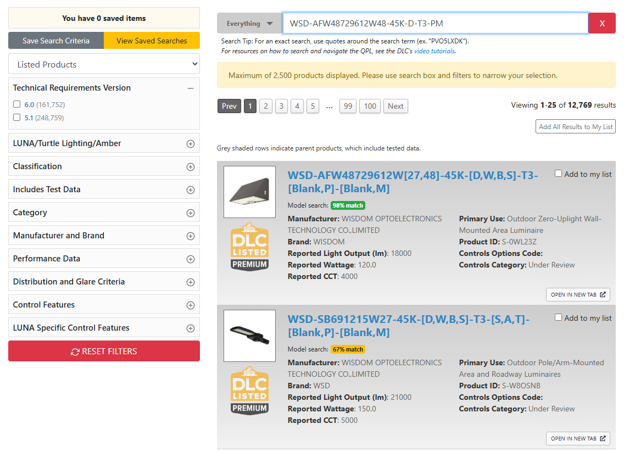
Figure 2: Screenshot of the SSL QPL showing results of a model number search
When users search for a DLC Product ID, the QPL will return a single listing record displaying all the Controls Categories associated with that listing.
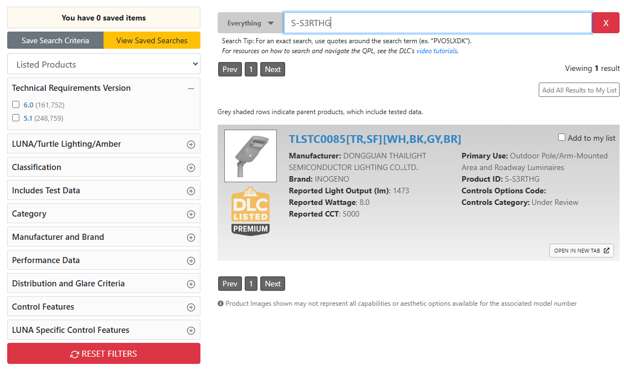
Figure 3: Screenshot of the SSL QPL showing results of a Product ID search
Should the user require more detailed information about the controls options that are available with a listed product, they can click on any QPL listing to open the Product Detail Page. The V6.0 Controls Options section of the Product Detail Page contains the full Controls Options Table for the product displayed. The Controls Options Table contains the details for each associated Controls Option Code, including the corresponding Controls Category. If relevant, a link to the NLC QPL listing is provided for the associated networked lighting control system.
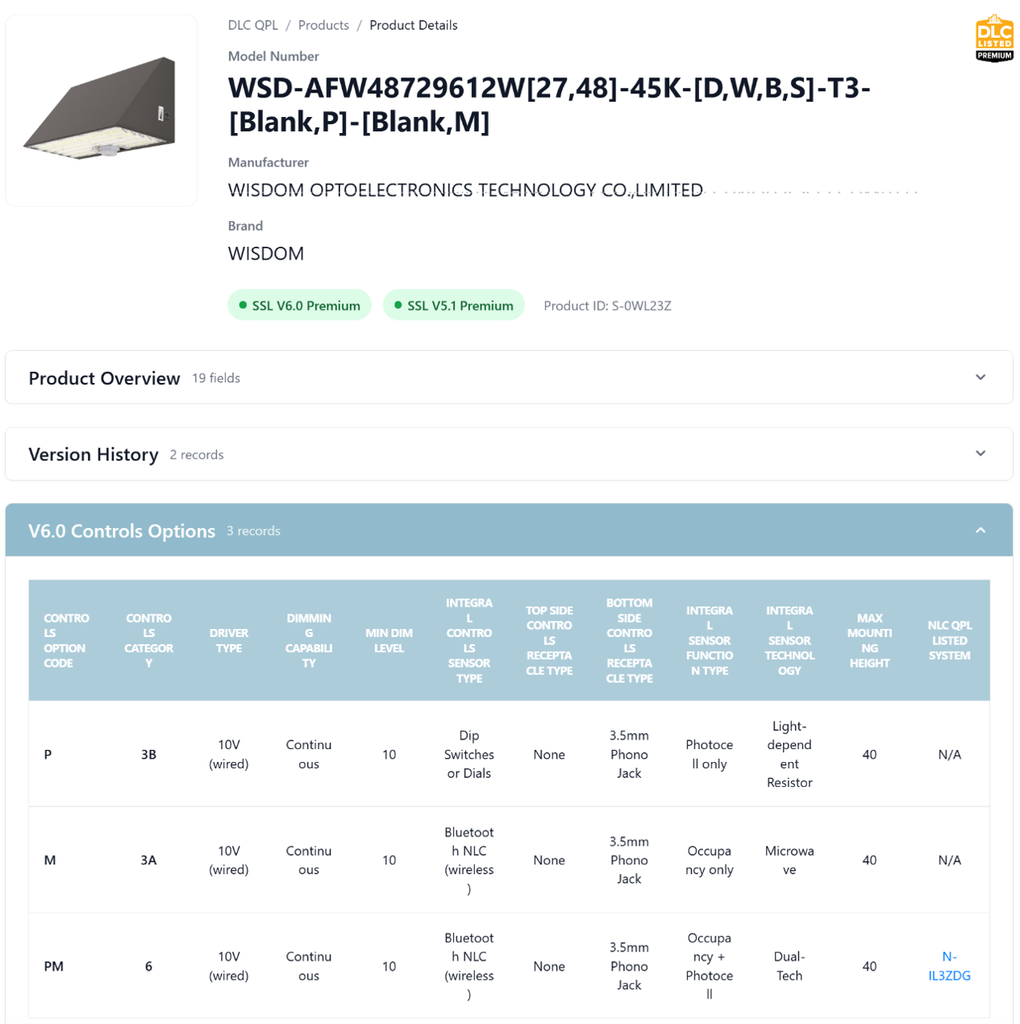
Figure 4: Screenshot of the SSL QPL showing a partial Product Details Page
The Bottom Line
Controls Categories can streamline how energy efficiency programs evaluate, administer, and incentivize commercial lighting products with integral controls. By creating a consistent link between manufacturer model numbers, control strategies, and program savings measures, Controls Categories help reduce administrative complexity while supporting broader adoption of advanced lighting controls.
As programs evolve, Controls Categories offer a flexible framework that can support consistent interpretation of controls functionality while allowing programs to accurately calculate energy savings.


© 2026 DesignLights Consortium. The DesignLights Consortium is a project of Efficiency Forward, Inc., a non-profit 501(c)3 organization. Privacy Policy Terms of Use